 ligare gatherings
ligare gatherings
ligare gatherings

Five things I've learned about how strangers really connect — just below, yours to use tomorrow. And, yes, an invitation: to run the whole system, and to build a different kind of gathering space, with us.
Maybe you've been to one of our Houston gatherings. Maybe a friend kept talking about a game night that wasn't really about the game. Or maybe you just have people — a bar you love, a team, a block, a congregation — you wish gathered better.
If you're the one who plans things, you already know the quiet truth: the real reason we gather is deeper, meaningful human connection — and we keep hoping that if the potluck, the game night, or the mixer does its job, it will just appear.
Unfortunately, no. Or — maybe not. You can raise the odds of a great night, the kind people leave more in touch with each other, and with themselves. But you have to nail the details. And yes, that's where we'd like to come in.
I've spent my career studying how people connect, how small rituals bind us, and how to build spaces that make the right kind of conversation. If you read nothing else, here are five things I've learned — yours to keep:
"Game night" splits your audience into gamers and not-game-people. "A social experience to connect — over games" raises eyebrows, filters for the people who actually want it, and it's honest.
People skip events out of uncertainty, not busyness. Before every gathering: the topics, a playlist, the game's rules, and exactly what to expect. Social anxiety, handled before anyone leaves the house.
The doorway should say: this is not an ordinary night. A chalkboard with a thoughtful question and a place to sign. A warm greeting for every single guest.
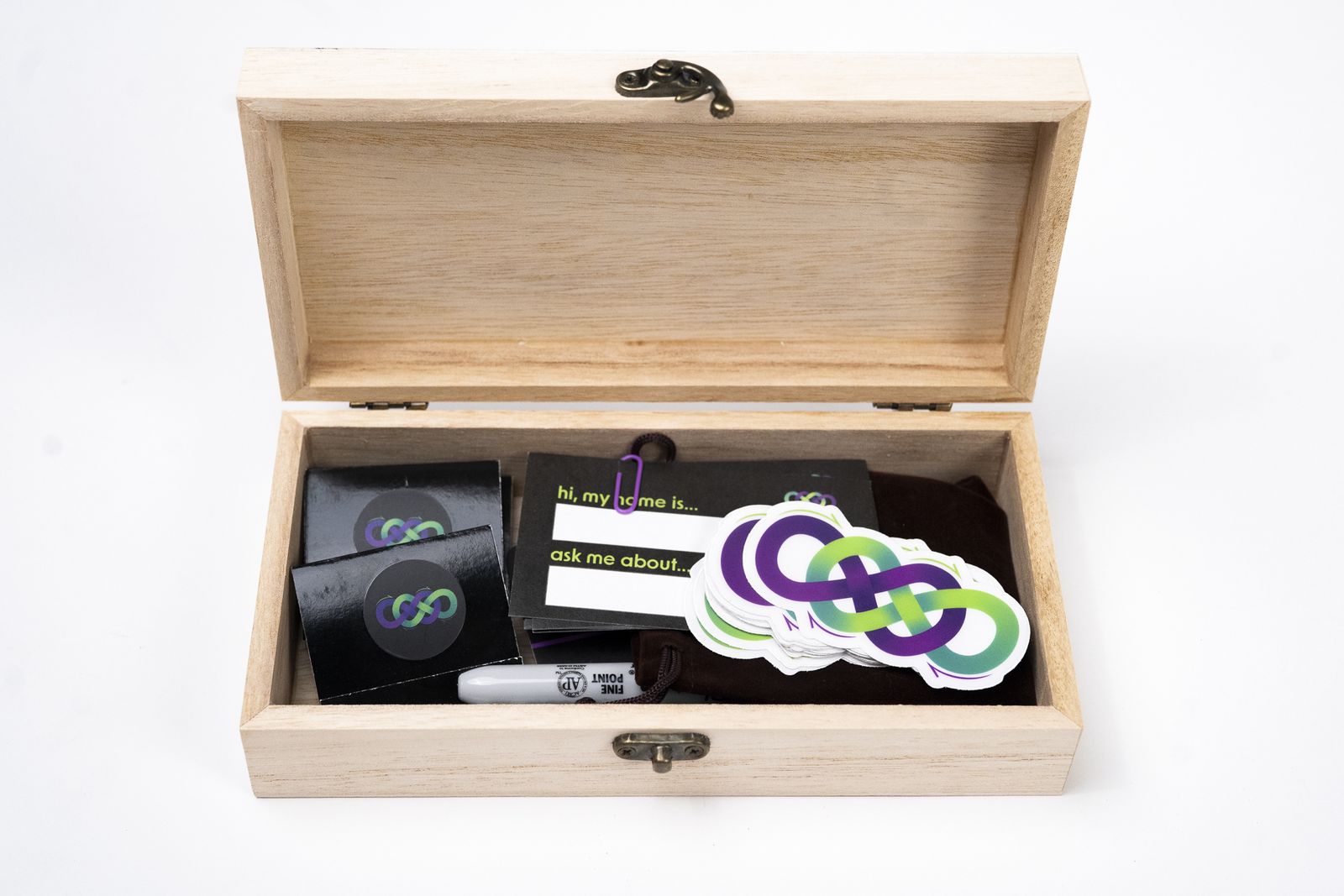
Add one field: "ask me about." Now everyone in the room is wearing a conversation starter they chose — and inviting it.

Self-sorted seats land in anxiety or familiarity — you don't get something new from inertia. Assign the tables — carefully if you can, from a hat if you must — and say it was on purpose.
That's the starting point. It's not that hard — you can do it. You can leave this page right now, take these five, and run a much better gathering tomorrow.
I've been building and refining this system with hundreds of guests in Houston, and now I'm looking for hosts around the country who want to try something new — and really connect their community.
So keep reading. I want to show you how the system works, the tools I've built, and invite you to help me build this thing. Yes, there's a sales pitch — it takes money to grow things. But more than that, it's an invitation to join a small rebellion against a world where connection dies on our phone screens.
A ligare gathering is a structured evening of connection, built around a game — designed by me, run by you, from a kit that arrives at your door. Here's how those five lessons become a night.
They answer a few questions and get their Connection Suit — a playful read on how they connect — right away. Then the emails I told you about do their quiet work: the theme, the playlist, the game, exactly what to expect. They show up curious, not cold.
Once everyone's checked in, each guest is sent to a table they're likely to click with — the "carefully chosen if you can" part, handled. The table plays one easy game, and as it hits certain moments, the game triggers conversation prompts tied to the theme. Something to do, and a door into something real.
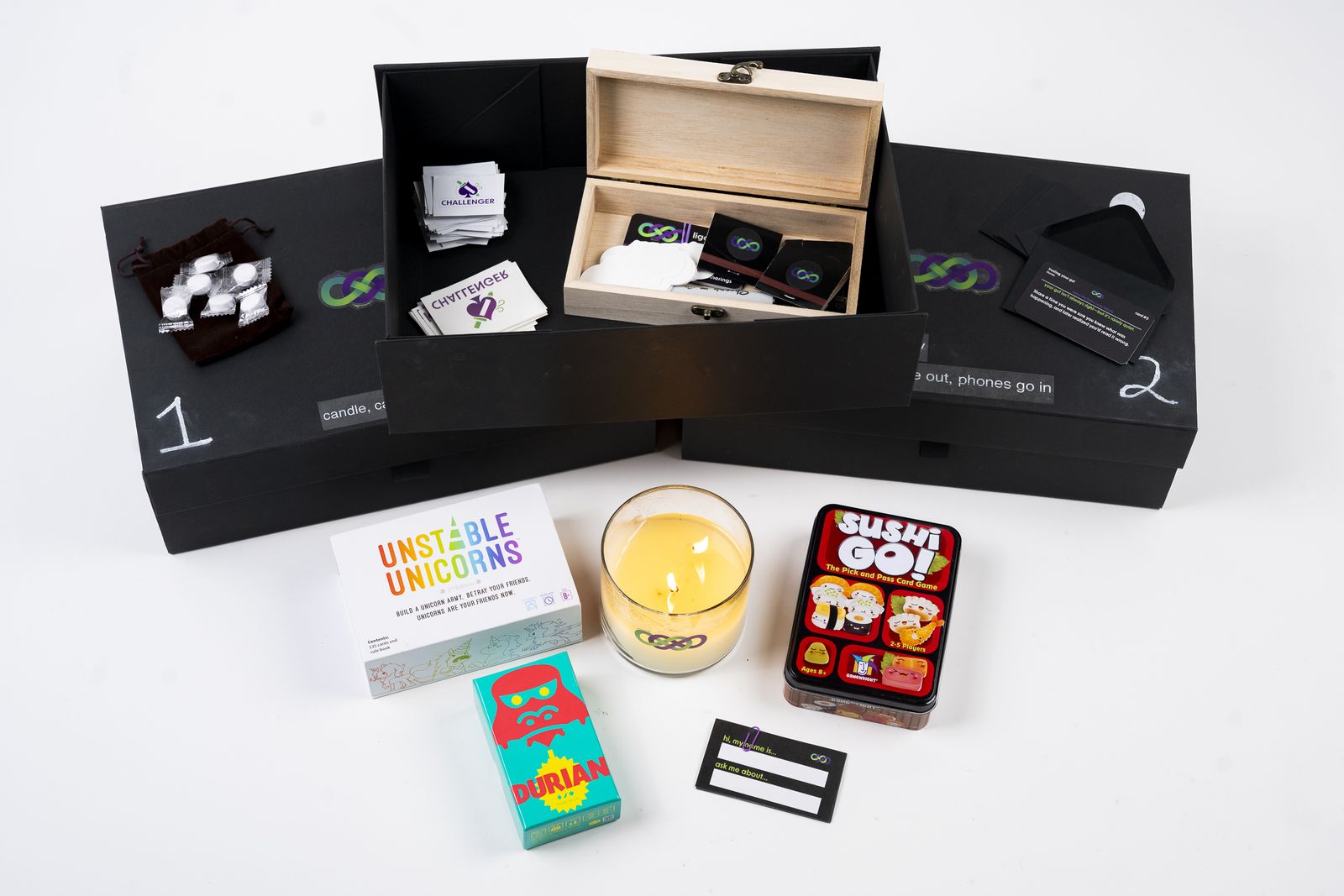
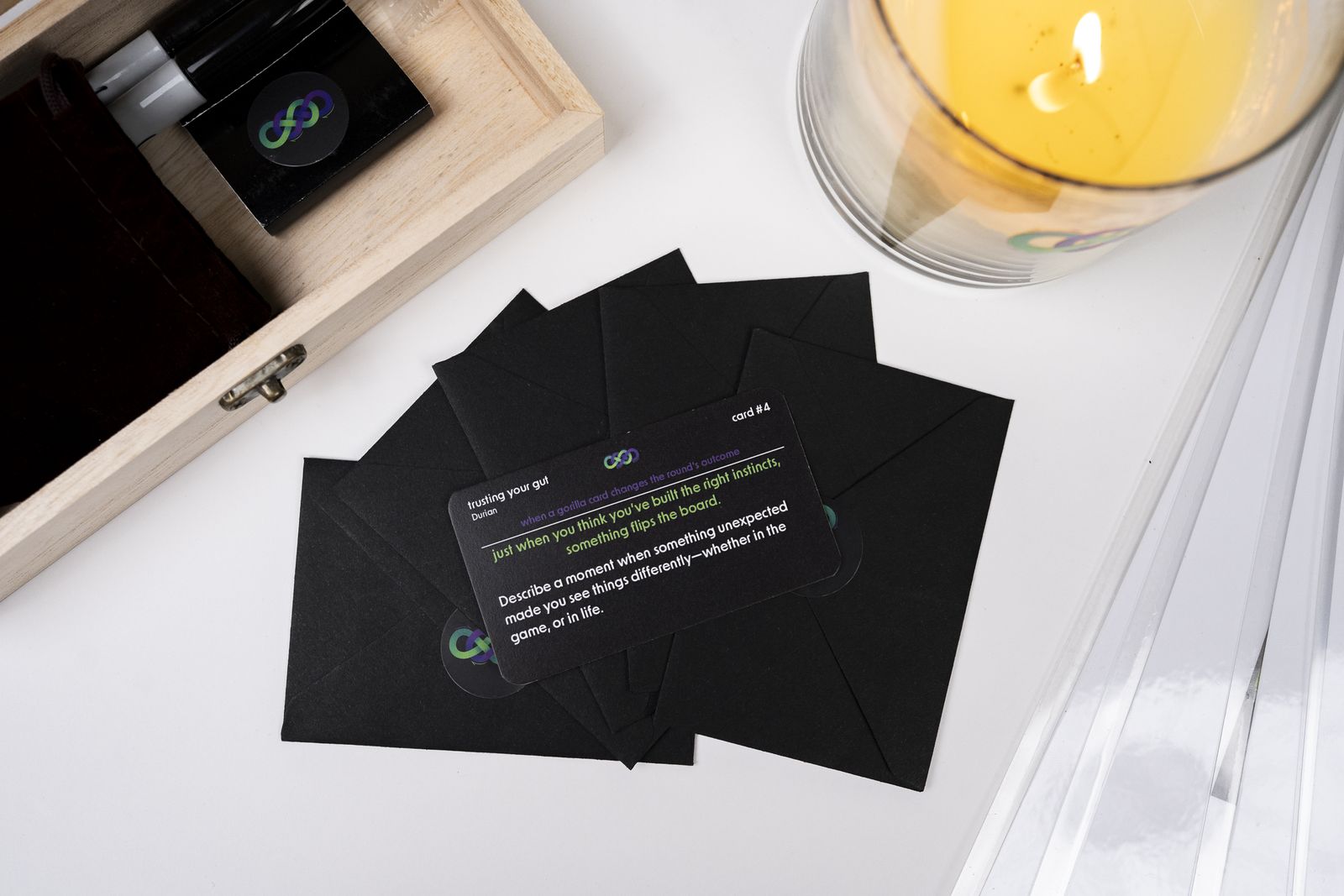
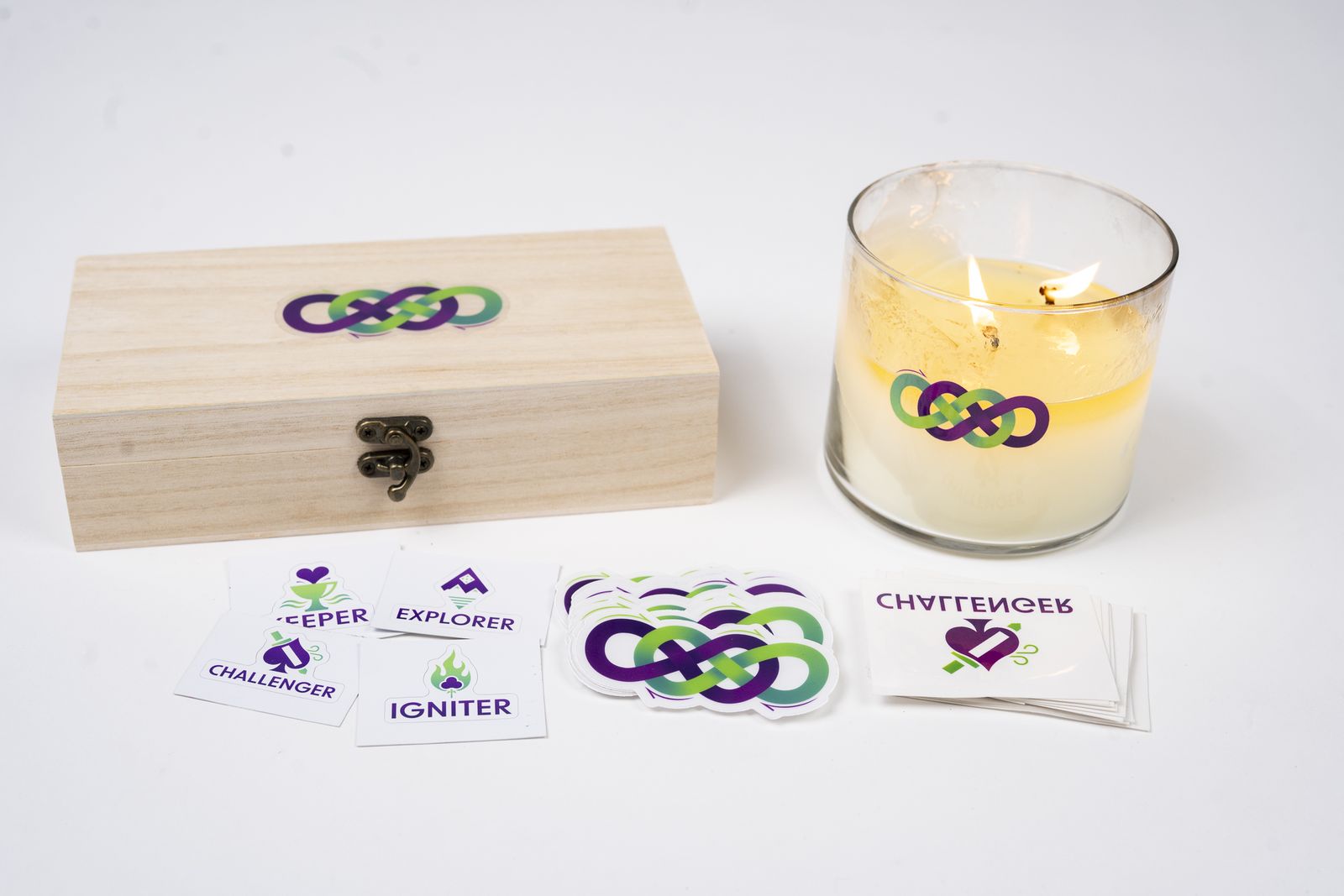
The chalkboard question, the "ask me about" tags, the candle each table lights, the cards that open at the right moment — the details are the product. Refined across 40+ events and 350+ guests, until a table of strangers stops feeling like one. As a host, all of it arrives in your kit.
You're picturing a game night. Maybe you already host one. But the game was never the point — what you're after is the night that binds your people to each other and keeps them coming back. This is how you build it. The game is just the doorway.
It works because of the oldest instinct there is — that we're built to gather, to play, to find joy in each other. I just make it easy to do on purpose.
Post your event link wherever you already reach your people. Guests register and take a short profile — and behind the scenes, everyone gets sorted by how they connect. Walk-ins and last-minute signups fold right in.
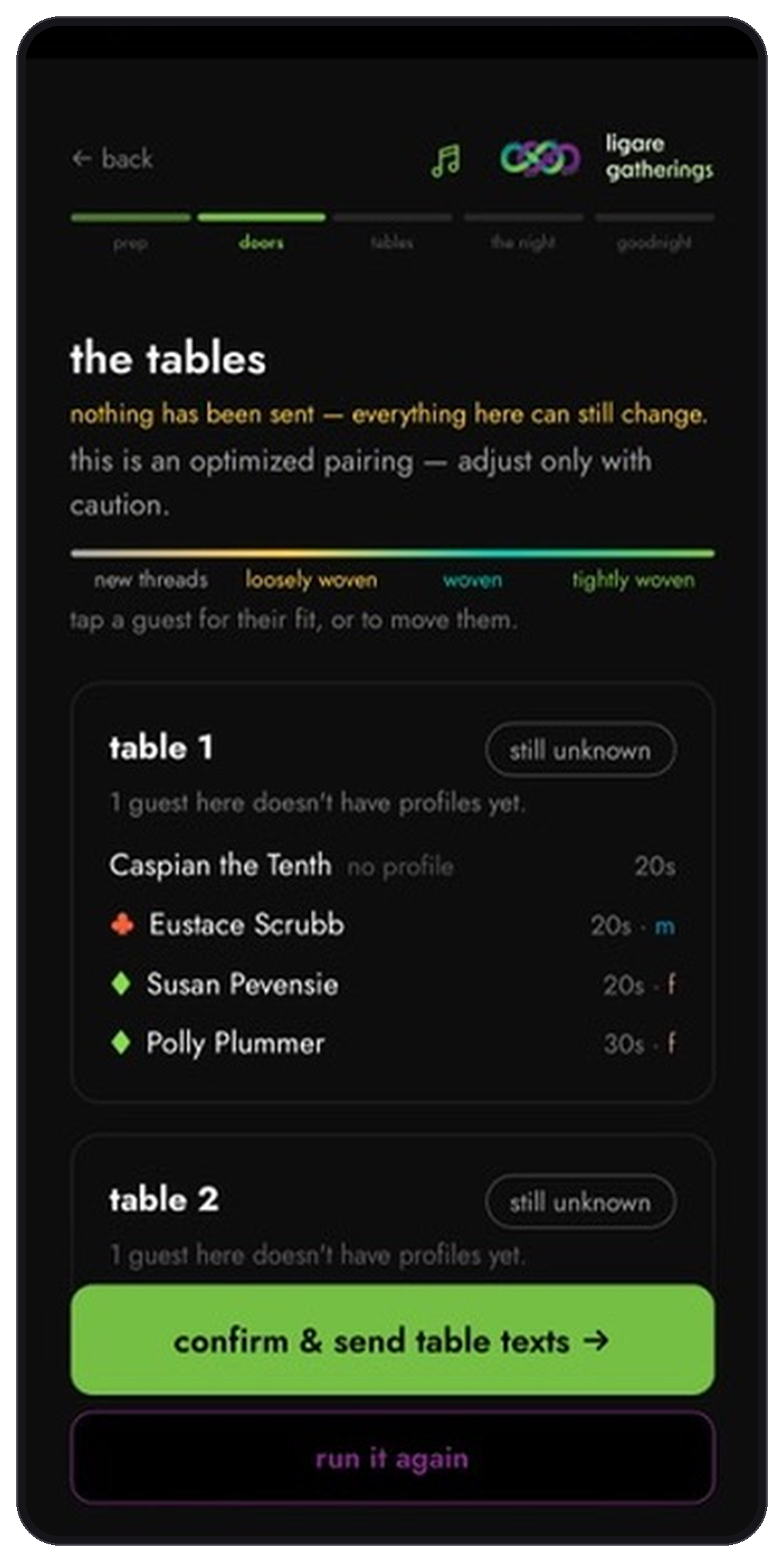
When you're ready, you kick it off — and every guest gets a text with their table, who they're with, and the role they'll play. No clipboard, no seating chart, no crowd wondering where to go. Every table plays the same game, around one theme.
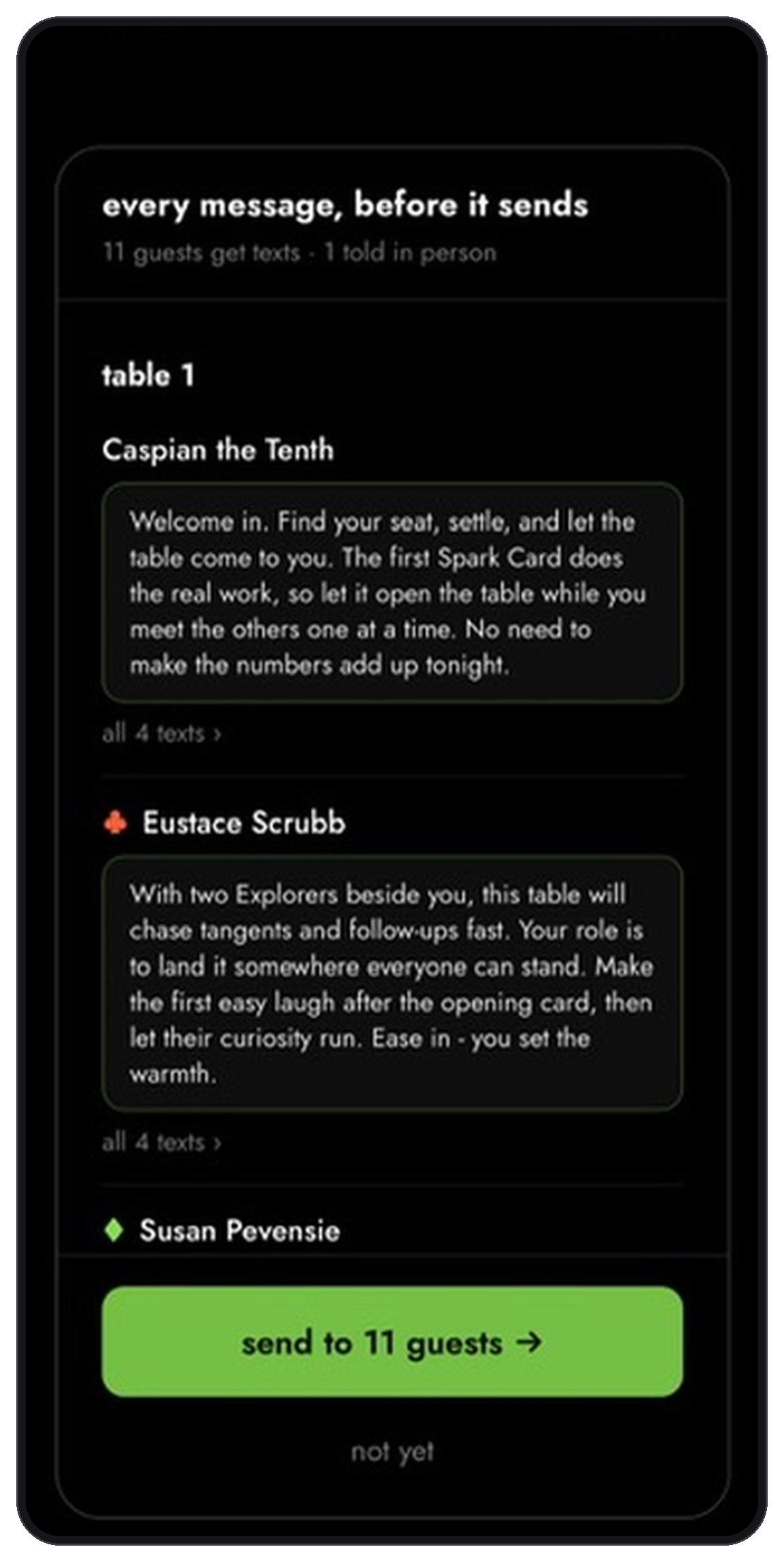
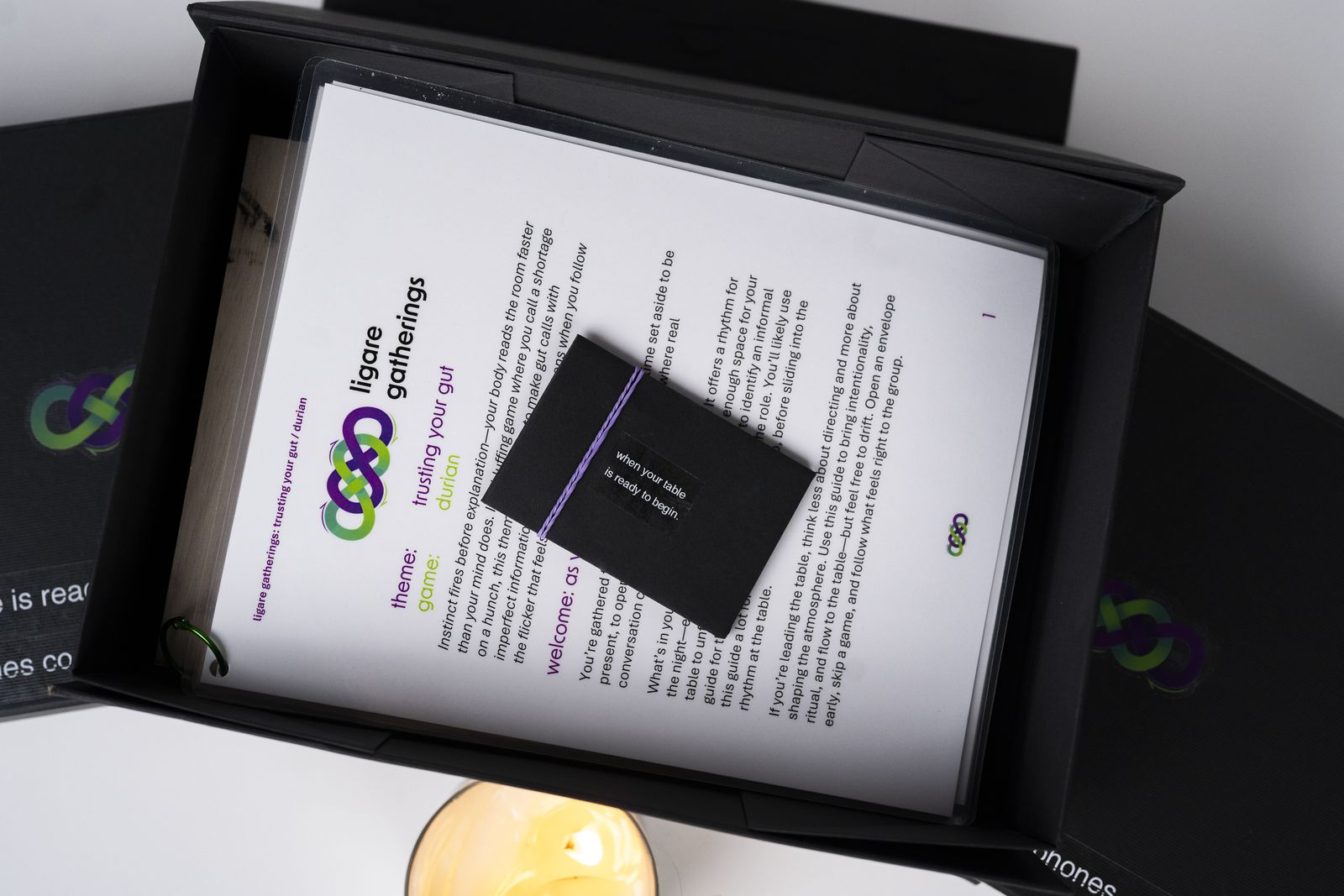
The app walks you through it — when to kick off, how to teach the game, even words you can borrow if you want them — so none of it sits on memory or nerves. A warm welcome, a quick hand, and each table runs on its own from there. Most of the night happens without you.
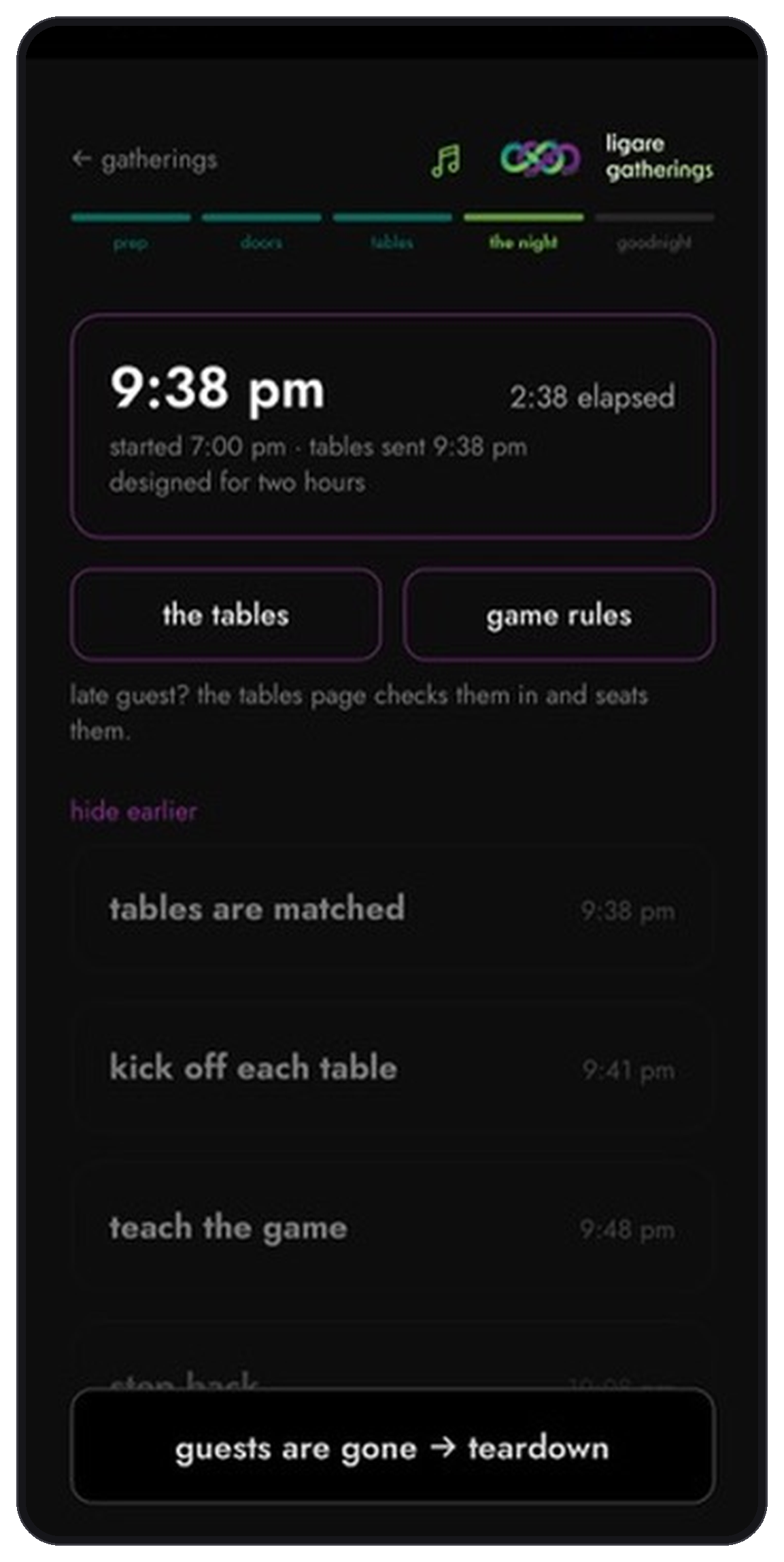
That's the whole job. The system does the rest.
i'm in — take me to the application →Each night turns on one theme — a paired game, a set of Spark Cards timed to moments in play, and questions built to explore and share. A pre-gathering playlist sets the mood before anyone arrives. Hover a card to flip it over; new themes keep arriving, so the nights never go stale.




Not a personality test — a way of relating, drawn from older traditions for reading character and rebuilt on real connection science from each guest's profile. By the end of the night, it's the table's shared language.
Enough to seat 18 guests across three tables, the night you open the box. Need a bigger room? Add tables and boxes as you grow — this is where you start, not your ceiling.
The tools are what make every gathering work — the profiles, the sorting, the pairing, the texts. Your membership keeps them on. It keeps the nights fresh, too: a freshly curated game every quarter, plus new themes and cards in rotation. Run low on candles or mints? A restock is one message away.
I'm choosing a small founding group to help shape what this becomes — hosts ready to commit to a full season of gatherings. Founding hosts get hands-on onboarding and a direct line to me. When the group is full, it closes while we build together. Final pricing gets decided when we open broadly in 2027 — founding hosts get their kit at cost, and a rate locked below wherever it lands.
"Somebody else is in control, the whole evening's planned, and I don't have to worry. All I have to do is show up — and it's one of the few places I go where I don't feel nervous walking in."
Tell me a little about you and the people you'd gather. If it's a fit, we'll get on a call — founding hosts get the founding rate, hands-on onboarding, and a direct line to me.
We'll follow up by email with more on what's next.
Want to talk sooner?
book a call →Not ready? Fair. I write about how to gather people well — weekly, free — at on knots and cords. Come back whenever it stops sounding crazy.